Letters to
Theo
Theo Van Gogh
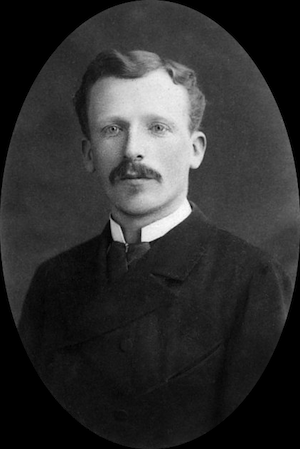
Theo van Gogh, born on May 1, 1857, was a pivotal figure in the art world and the younger brother of the renowned artist Vincent van Gogh. Although Theo's own artistic talents were limited, his impact on the art world was profound through his unwavering support and dedication to promoting his brother's work. Growing up in a middle-class family in the Netherlands, Theo initially pursued a career in art, working for the renowned art dealer Goupil & Cie. His time at the firm allowed him to develop a keen eye for art and establish connections within the art community. However, he eventually decided to transition from being an artist to becoming an art dealer. Theo's decision to support his brother's artistic endeavors marked a turning point in both their lives. He recognized Vincent's talent and potential long before others did, and this belief in his brother's genius fueled his unwavering commitment to supporting him both financially and emotionally. Throughout Vincent's career, Theo provided him with financial assistance, allowing him to focus on his art without the burden of financial stress. He also acted as Vincent's confidant and sounding board, engaging in extensive correspondence that not only revealed the deep bond between the brothers but also offered invaluable insights into Vincent's artistic process and vision. Theo played a crucial role in introducing Vincent's work to a wider audience. He organized exhibitions, promoted Vincent's paintings, and sought potential buyers and patrons. Despite facing significant challenges in selling Vincent's art during their lifetimes, Theo's efforts laid the groundwork for the eventual recognition and appreciation of Vincent's genius. Tragically, Theo's life was cut short. He passed away on January 25, 1891, at the age of 33, just six months after Vincent's death. Despite his relatively short life, his impact on the art world cannot be overstated. His unwavering support, financial assistance, and deep understanding of Vincent's art played a vital role in preserving and promoting his brother's legacy. Theo's dedication to Vincent's work extended beyond his own lifetime. His widow, Johanna van Gogh-Bonger, continued to advocate for Vincent's art, meticulously cataloging his works, publishing his letters, and ensuring that his artistic vision reached a broader audience. Today, the contributions of Theo van Gogh are recognized and celebrated. His unwavering support for Vincent van Gogh's art and his efforts to preserve and promote his brother's legacy make him an integral figure in the history of art. His belief in Vincent's genius and his commitment to supporting him mark a testament to the power of brotherly love and unwavering faith in an artist's vision.
Letters
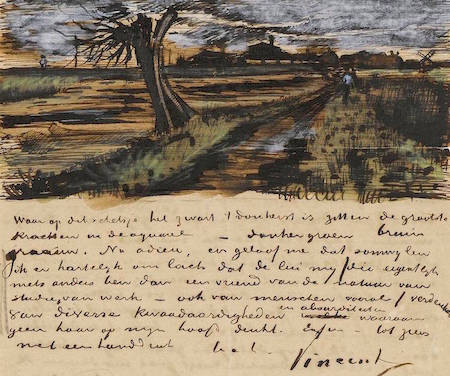
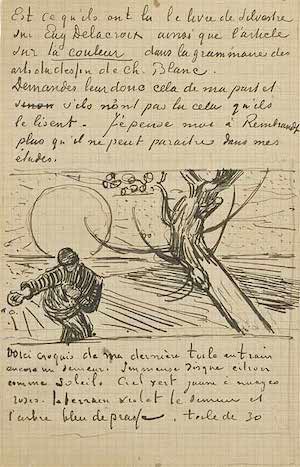
The correspondence between brothers Theo and Vincent van Gogh offers a profound insight into their relationship and serves as a remarkable testament to the bond they shared. Spanning a period of several years, their letters provide an intimate glimpse into Vincent's artistic process, his struggles, and his unwavering determination, while showcasing Theo's unwavering support and understanding. Vincent and Theo's letters were not just casual exchanges; they were heartfelt, deeply personal, and often filled with raw emotion. Through their extensive correspondence, they discussed a wide range of topics, including art, literature, philosophy, and personal experiences. Vincent poured his heart out in these letters, sharing his artistic ambitions, his frustrations, and his hopes for the future. Theo, in turn, provided Vincent with unwavering support and encouragement. He not only offered financial assistance but also served as Vincent's confidant and artistic advisor. Theo's deep understanding of Vincent's art and his unwavering belief in his brother's talent played a vital role in shaping Vincent's artistic journey. Their letters also shed light on the broader artistic landscape of the time. They discussed other artists, art movements, and exhibitions, revealing their keen interest in the evolving art world. Through their letters, they engaged in passionate debates and shared their views on art, often challenging conventional notions and pushing artistic boundaries. Sadly, their correspondence came to an abrupt end with the tragic deaths of both brothers. However, the letters they exchanged during their lifetimes offer a poignant and invaluable record of their relationship, as well as a profound insight into Vincent's artistic vision and struggles. The letters between Theo and Vincent van Gogh stand as a testament to the power of familial support and love. They serve as a poignant reminder of the profound impact that a strong bond between brothers can have on an artist's life and legacy. Today, these letters continue to be studied and cherished, offering art historians, scholars, and enthusiasts an invaluable glimpse into the lives and minds of these two extraordinary individuals.
Joanna's rol in van Gogh's fame
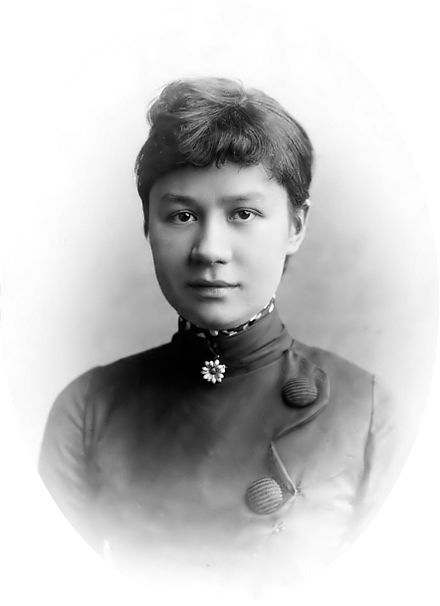
Johanna van Gogh, born Johanna Gezina Bonger on October 4, 1862, played a pivotal role in preserving and promoting the legacy of her late husband Theo van Gogh and his brother Vincent. As Theo's widow, she dedicated her life to ensuring that Vincent's art received the recognition it deserved. After Theo's untimely death in 1891, Johanna took on the responsibility of managing his estate, which included a significant collection of Vincent's paintings, drawings, and letters. She immersed herself in cataloging and organizing Vincent's artworks, meticulously preserving his artistic legacy. Johanna recognized the value of Vincent's art long before it gained widespread appreciation. She tirelessly worked to publish Vincent's letters, offering invaluable insights into his artistic process, struggles, and profound thoughts. Her efforts to make Vincent's letters accessible to the public helped establish him as not only a talented artist but also a profound thinker. In addition to publishing his letters, Johanna played a crucial role in organizing exhibitions of Vincent's works. She sought out opportunities to display his paintings, introducing his art to a broader audience. Her dedication to promoting Vincent's art and her understanding of his unique vision helped pave the way for his eventual acclaim. Johanna's contributions extended beyond her role as a promoter of Vincent's art. She also became a significant collector of his works, acquiring many pieces that would later become invaluable treasures of his artistic legacy. Moreover, Johanna's personal connection to the Van Gogh family and her close relationship with Vincent's sister-in-law, Helene Kröller-Müller, facilitated the establishment of the Van Gogh Museum in Amsterdam. The museum, opened in 1973, houses a vast collection of Vincent's artworks and stands as a testament to Johanna's tireless efforts to preserve and showcase his art. Johanna van Gogh's unwavering dedication, perseverance, and profound understanding of Vincent's art played a pivotal role in shaping his posthumous fame. Her commitment to preserving Vincent's legacy ensured that his art reached audiences around the world, cementing his position as one of the most influential and celebrated artists of all time. Today, the contributions of Johanna van Gogh continue to be acknowledged and celebrated. Her efforts to preserve Vincent's art and promote his genius stand as a testament to her profound love for both Vincent and Theo, leaving an indelible mark on the art world and allowing future generations to appreciate the brilliance of Vincent van Gogh.